Exploring Topeka City Council District 1: The Heart of the Capital City
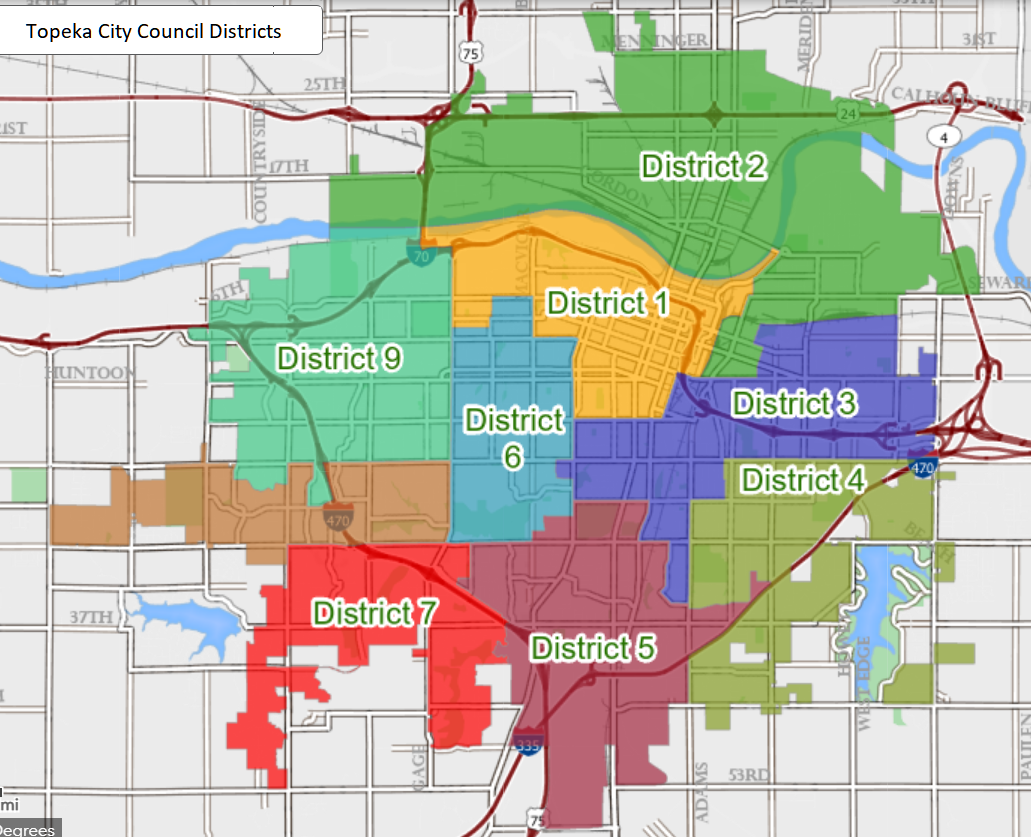
Topeka, Kansas, operates under a council-manager form of government with a directly elected mayor and nine council members, each representing a single-member district. District 1 stands out as the vibrant central core, home to downtown Topeka and a cluster of historic neighborhoods that define much of the city's character, history, and civic life.
Whether you're a resident, business owner, real estate professional, or someone interested in local governance, understanding District 1 provides key insights into Topeka's downtown revitalization, historic preservation efforts, housing dynamics, and community challenges. Here's a comprehensive "soup to nuts" overview based on official city data, census statistics, neighborhood histories, and recent developments.
Geography and Boundaries
District 1 encompasses the downtown business and governmental heart of Topeka, along with surrounding historic residential areas. It lies primarily south of the Kansas River, with major corridors including Topeka Boulevard, Huntoon Street, and streets in the 6th–17th range. The district is more compact and higher-density than outer suburban districts, reflecting its urban core status.
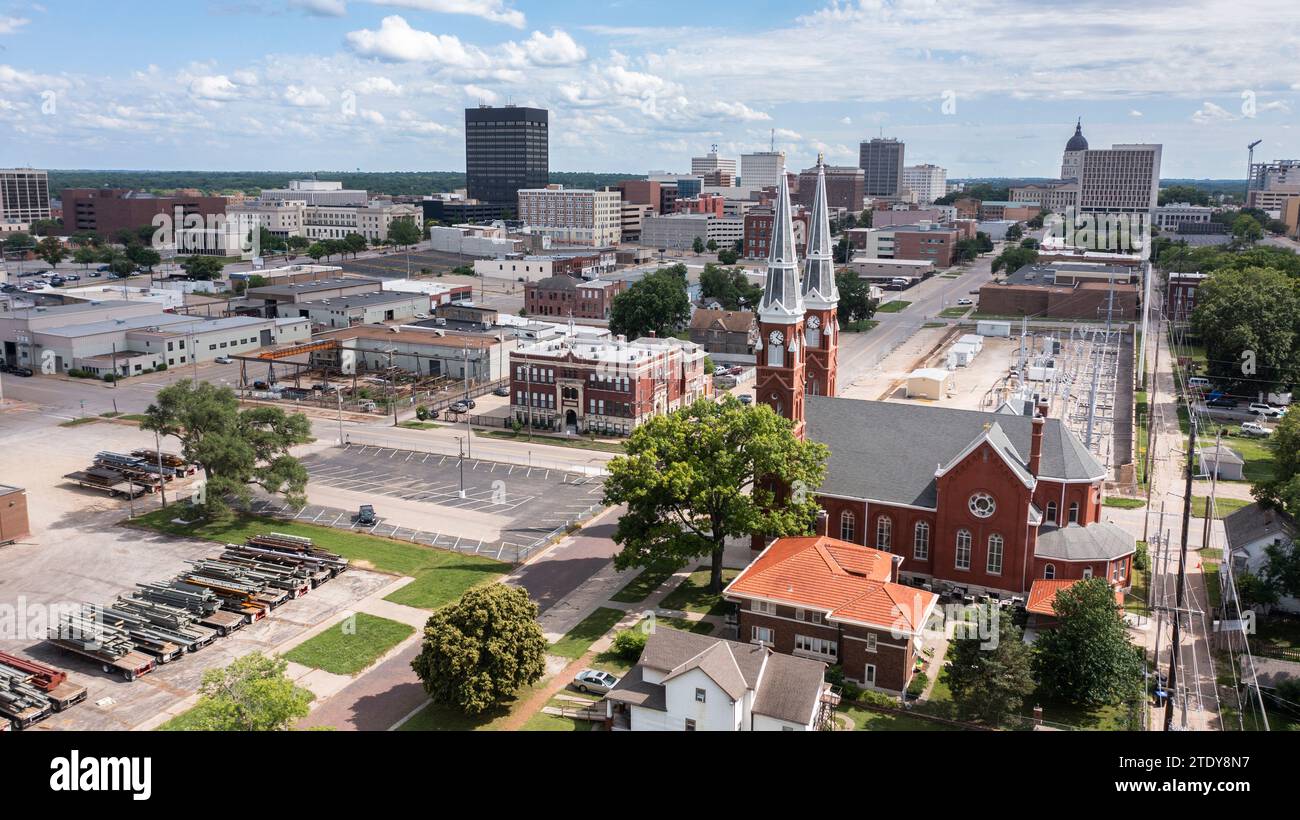
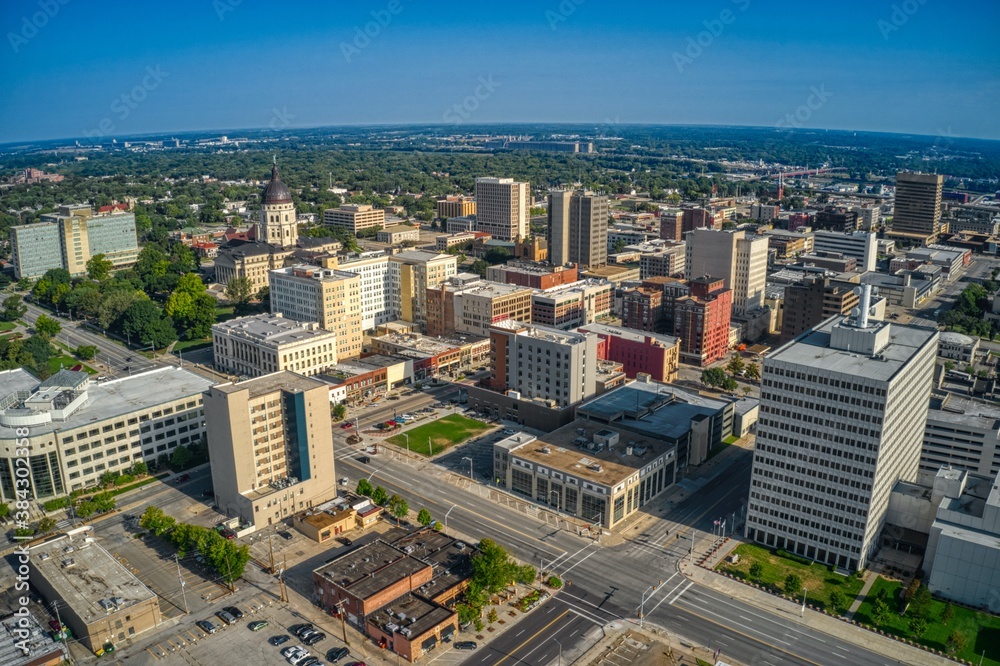
Key landmarks include proximity to the Kansas State Capitol and civic institutions. Redistricting after the 2020 Census (Plan A, approved 2022) aimed for population balance across the nine districts and refined boundaries (for example, adjustments involving areas like Oakland).
Interactive District Finder: Use the City of Topeka's ArcGIS tool to locate any address: topeka.maps.arcgis.com district viewer. Printable maps are available on the city's site highlighting roads, emergency services, libraries, and schools.
Key Neighborhoods in District 1
District 1 includes downtown plus approximately 10 active neighborhood associations. Prominent areas include:
- Downtown Topeka: The commercial, cultural, and governmental hub with offices, retail, dining, and historic buildings.
- Ward-Meade: Historic district featuring Ward-Meade Park and mansion (a local attraction); covered in city historic resource surveys.
- Kenwood: Established residential community near the core.
- Potwin Place: Known for grand Victorian homes, circular intersections, and strong community events (e.g., holiday decorations). Developed in the late 19th century.
- Auburndale (Auburdale): Features early 20th-century homes documented in historic resources surveys.
- Tennessee Town: One of Topeka’s oldest neighborhoods with deep 19th-century roots (originally King’s Addition) and a rich African American heritage. It established the city’s first Neighborhood Improvement Association in 1976.
- Holliday Park: Centered on a triangular park at 12th & Western; showcases diverse historic architecture (Italianate, Queen Anne, Craftsman, etc.).
- Central Park: Residential area anchored by green space.
These neighborhoods offer a mix of architectural styles from the late 19th and early 20th centuries, reflecting Topeka’s growth as the state capital and railroad center. Many have active associations focused on preservation and revitalization.
Population and Demographics
With Topeka’s population estimated at approximately 125,467–125,795 in 2024–2025 (a slight decline from 126,587 in the 2020 Census), District 1 represents roughly 13,900–14,100 residents (districts drawn for rough equality).
City-wide context (relevant to the urban core of District 1):
- Median age: Around 38 years.
- Households: Average size ~2.2; notable share of single-person households and families.
- Diversity: Majority White non-Hispanic, with significant Black/African American representation (especially in historic areas like Tennessee Town) and growing multiracial and Hispanic populations.
- Housing tenure: City owner-occupied rate ~59%.
As the denser central district, expect higher renter concentrations near downtown, a mix of income levels (affluent historic pockets alongside more modest areas), and vibrant community institutions. Exact sub-area data can be explored via Census tracts overlaid with district boundaries.
Housing and Real Estate
District 1 boasts a rich stock of historic single-family homes in neighborhoods like Potwin and Holliday Park, alongside multifamily options, apartments, and mixed-use properties downtown. Median owner-occupied home values (city) sit around $144,200 (2020–2024 ACS), but values vary widely — premium for well-preserved historic properties versus opportunities in areas needing revitalization.
Key themes include historic preservation incentives, infrastructure upgrades (sidewalks, lighting, drainage), and balancing growth with affordability. Revitalization projects, such as safety lighting initiatives, have demonstrated success in spurring private investment and reducing crime. Downtown and riverfront plans offer further development potential.
For real estate professionals or investors: Focus on Topeka Public Schools attendance zones, zoning in historic districts, and proximity to government/civic amenities.
Economy, Amenities, and Quality of Life
- Economy: Strong government presence (State Capitol and related offices), downtown services, retail, nonprofits, and tourism/cultural draws. Proximity supports professional and service jobs.
- Parks & Recreation: Holliday Park, Ward-Meade Park, Central Park, and access to riverfront initiatives.
- Culture & Events: Aaron Douglas Art Fair (long-running community event), historic tours, parades, and downtown vitality.
- Education: Served by Topeka Public Schools with nearby options; proximity to Washburn University influences the broader central area.
- Transportation: Walkable core with major arterials, bus service, and highway access.
Ongoing efforts target riverfront connectivity, downtown renaissance, and addressing urban challenges like infrastructure in older areas and public safety/services.
Governance, Politics, and Representation
Council members serve part-time (compensation set by ordinance) on committees including Public Health & Safety, Infrastructure, and more. Many also serve on the Topeka Development Corporation (TDC) and JEDO (Joint Economic Development Organization).
Current Representative: Karen Hiller (long-serving since 2009, re-elected in 2025). A lifelong District 1 resident, she founded a housing counseling nonprofit and has championed revitalization projects like the Aaron Douglas Mural and parkway improvements. She chairs Public Health & Safety and brings a focus on collaboration, budgeting, and family opportunities.
Elections are nonpartisan. Council meets the first three Tuesdays monthly at 6 p.m. Public comment opportunities are available—check agendas on the city site.
Why District 1 Matters
District 1 is Topeka’s historic and civic soul — a place where grand old homes meet modern revitalization efforts, where government meets community, and where the city’s past and future intersect. Its success influences downtown vibrancy, housing options, economic development, and quality of life across Topeka.
For residents: Engage with neighborhood associations and your council representative. For businesses/investors: Opportunities abound in mixed-use, historic rehabs, and downtown projects. For advocates: Focus on transparency, infrastructure, and equitable growth.
Resources:
- City of Topeka Council page and maps: topeka.gov
- District 1 representative: Search Karen Hiller / Topeka.gov
- Census data and GIS: data.census.gov, Shawnee County GIS/property search
- Neighborhood guides: Visit Topeka and local historic surveys (Topeka & Shawnee County Public Library)
What are your thoughts on District 1? Share in the comments or reach out if you're exploring properties, development ideas, or local issues in this dynamic part of Topeka.
This post draws from official City of Topeka sources, U.S. Census/ACS data, neighborhood histories, and recent election coverage. Data is current as of mid-2026; always verify with primary sources for the latest.


No comments:
Post a Comment